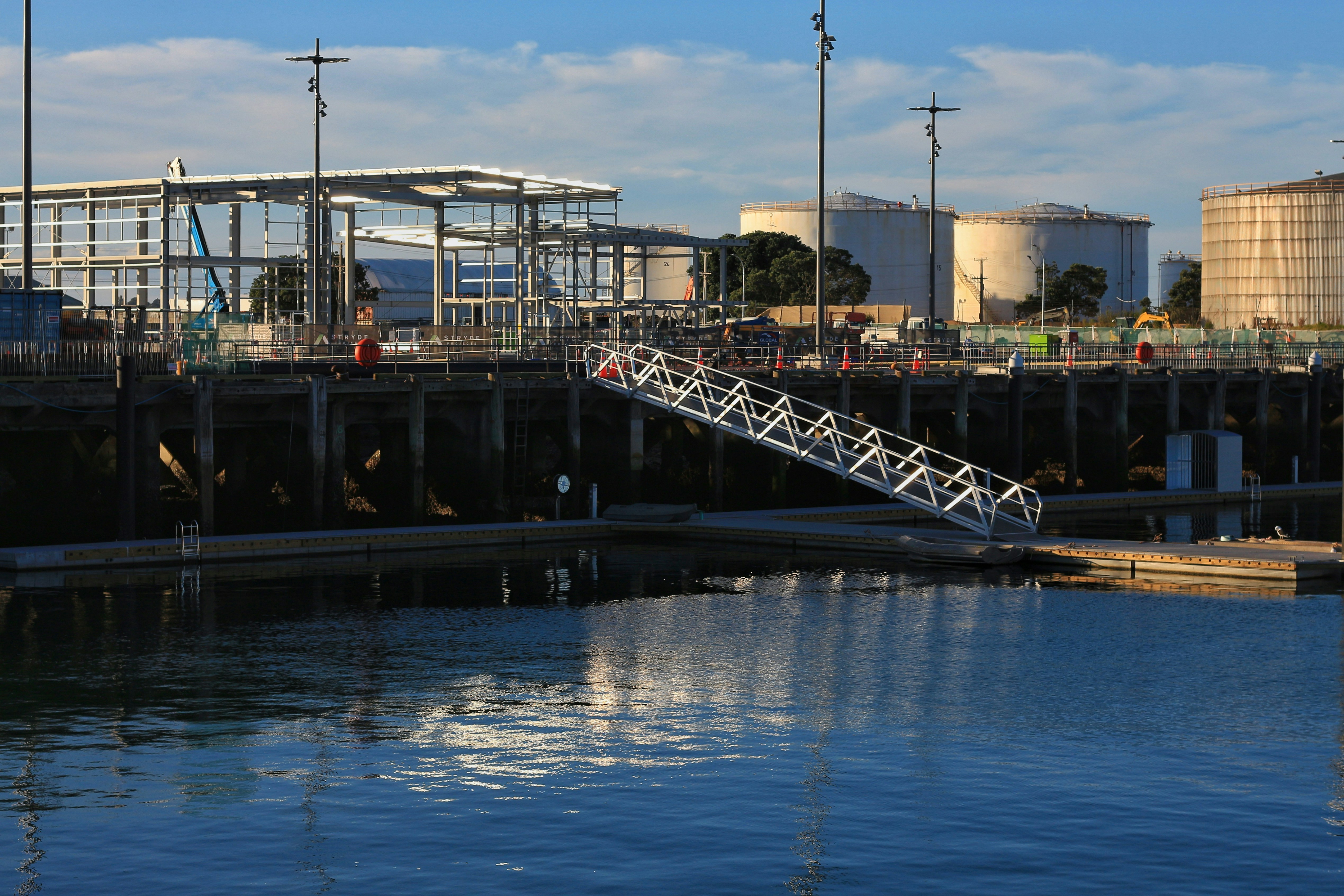
Hulls that don'tquit.Built under gantry cranes.
Purpose-built escort tugs, anchor handlers, and pushboats for port authorities, offshore contractors, and river operators. Every weld certified. Every plate measured. Every vessel engineered for twenty years of hard work.
Six points where
steel meets decision.
We don't ask you to take our word for it. Every comparison below is measurable, certifiable, and carries a dollar figure over a twenty-year service life.
At Stake
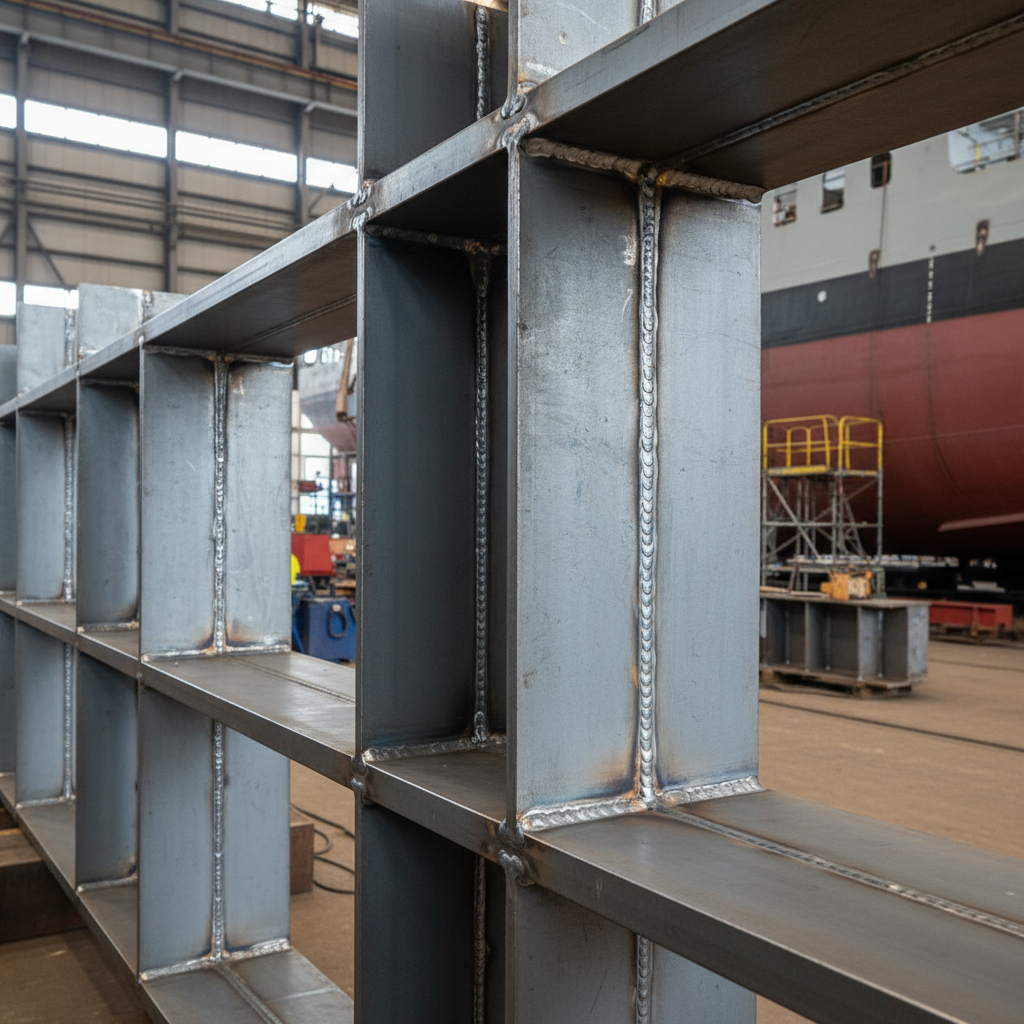
Hull steel grade determines crack propagation rate, dry-dock interval, and structural insurance premiums over a 20-year service life.
Yield strength 36 ksi. Adequate for harbor work in benign conditions. Susceptible to fatigue cracking under repeated high-load cycles. Common in broker resale stock built pre-2005.
Yield strength 51 ksi — 42% stronger plate-for-plate. Certified to ABS Grade AH-36. Thinner plating achieves the same structural integrity, reducing hull weight by up to 9% and improving fuel economy over service life.
At Stake
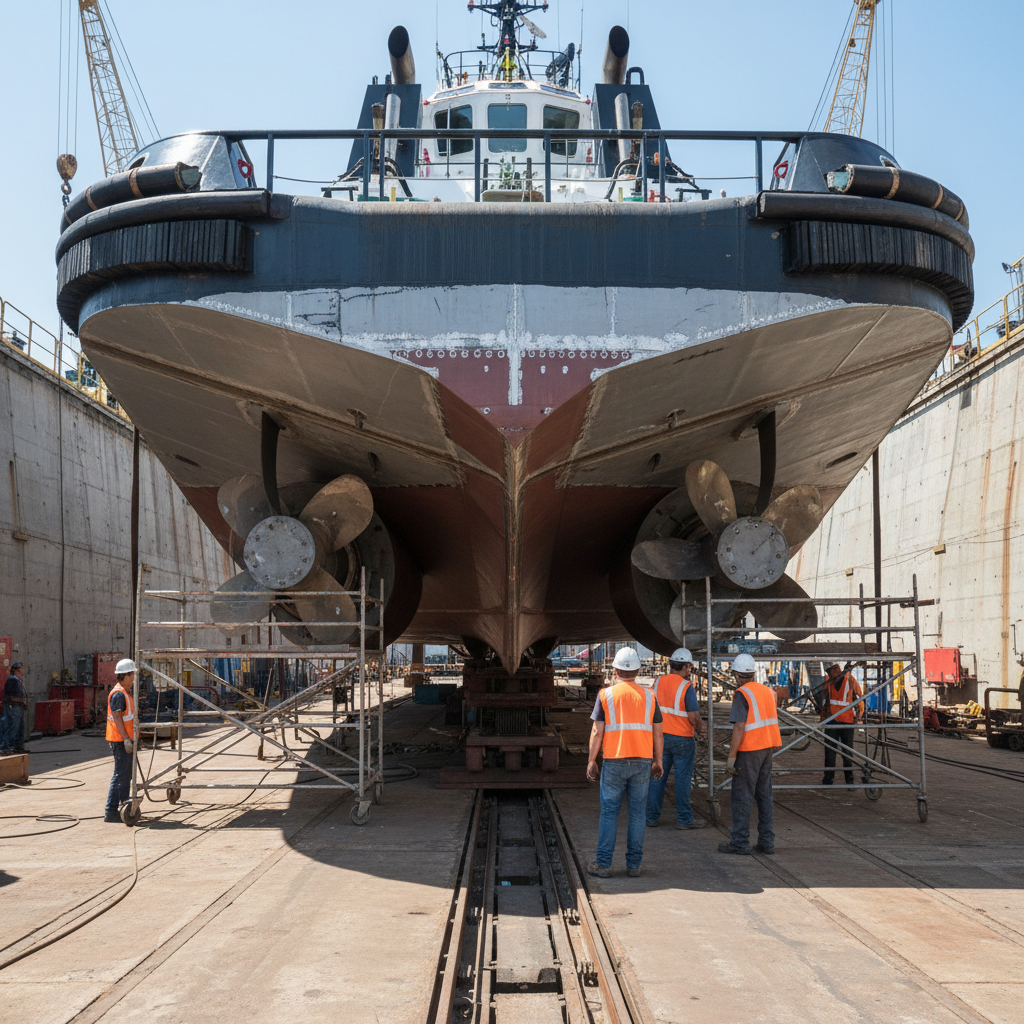
Underpowered escort tugs increase port incident risk. One grounding event costs more than the price difference between a custom build and resale.
Most second-hand ASD tugs in the 28–32m range pull 40–65T at bollard. Figures are often uncertified or measured under favourable conditions. Escort duties for LNG carriers require 70T+ with directional stability.
Every Keel tug undergoes ITTC-certified bollard pull trials before delivery. Propulsion matched to mission — Voith VSP, Schottel SRP, or Rolls-Royce US-series. Escort notations available to ABS or DNV.
Ready to compare?
Send us your current vessel class and required specs. We'll return a point-by-point comparison within 48 hours.
At Stake
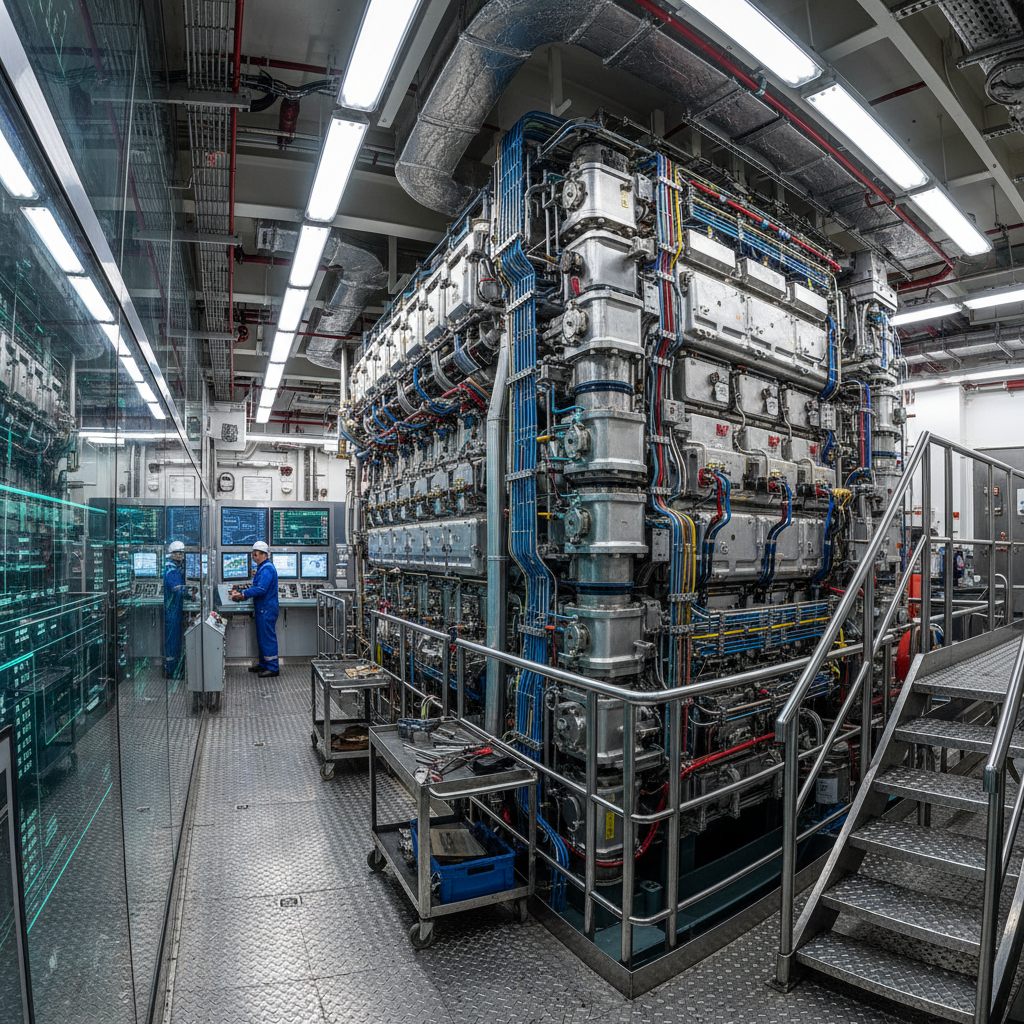
At $1.10/litre, a 100 L/hr saving over 6,000 operating hours per year equals $660,000 recovered in fuel costs every five years.
Thirty-year-old pushboats with original EMD or Caterpillar engines typically burn 280–340 litres per hour at full power. Derating for emissions compliance reduces output without improving consumption.
Optimised hull form, modern IMO Tier III main engines (MTU Series 4000 or Cummins QSK), and shaft-line alignment reduce fuel burn by 18–32% against aging equivalents. Payback on fuel savings alone: 6–9 years.
At Stake
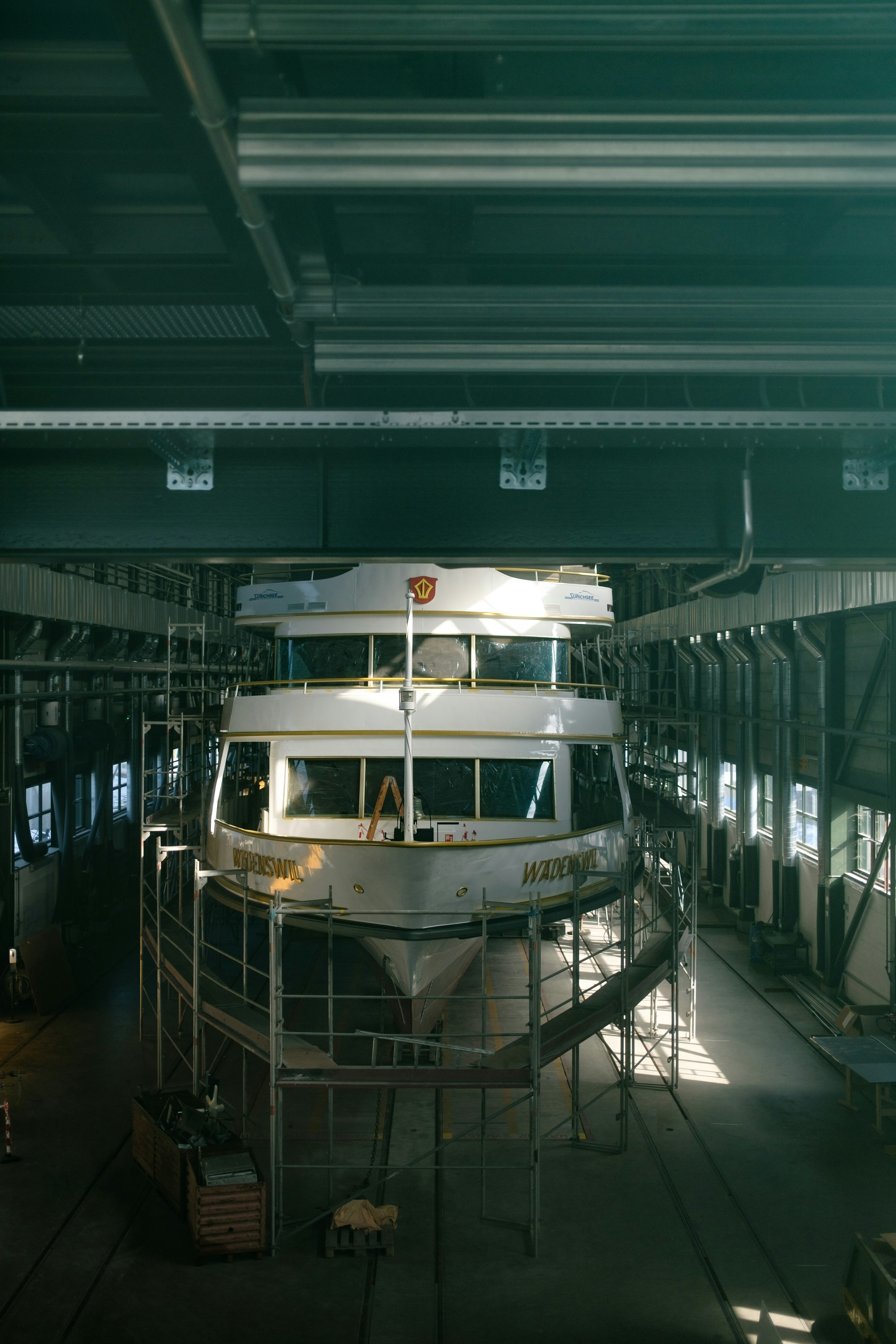
A 15-day reduction in dry-dock time per maintenance cycle saves $120,000–$375,000 per event at current daily rates.
Pre-2000 workboat design packed machinery into minimum hull volume. Engine removal requires partial deck cutting. Typical main engine changeout: 18–22 days in dry dock. Every day offline costs $8,000–$25,000 in lost charter.
Full-width engine room with removable deck hatches sized to main engine dimensions. Service access walkways port and starboard. Typical main engine changeout: 5–7 days alongside. Designed with Lloyd's machinery survey intervals in mind.
Ready to compare?
Send us your current vessel class and required specs. We'll return a point-by-point comparison within 48 hours.
At Stake
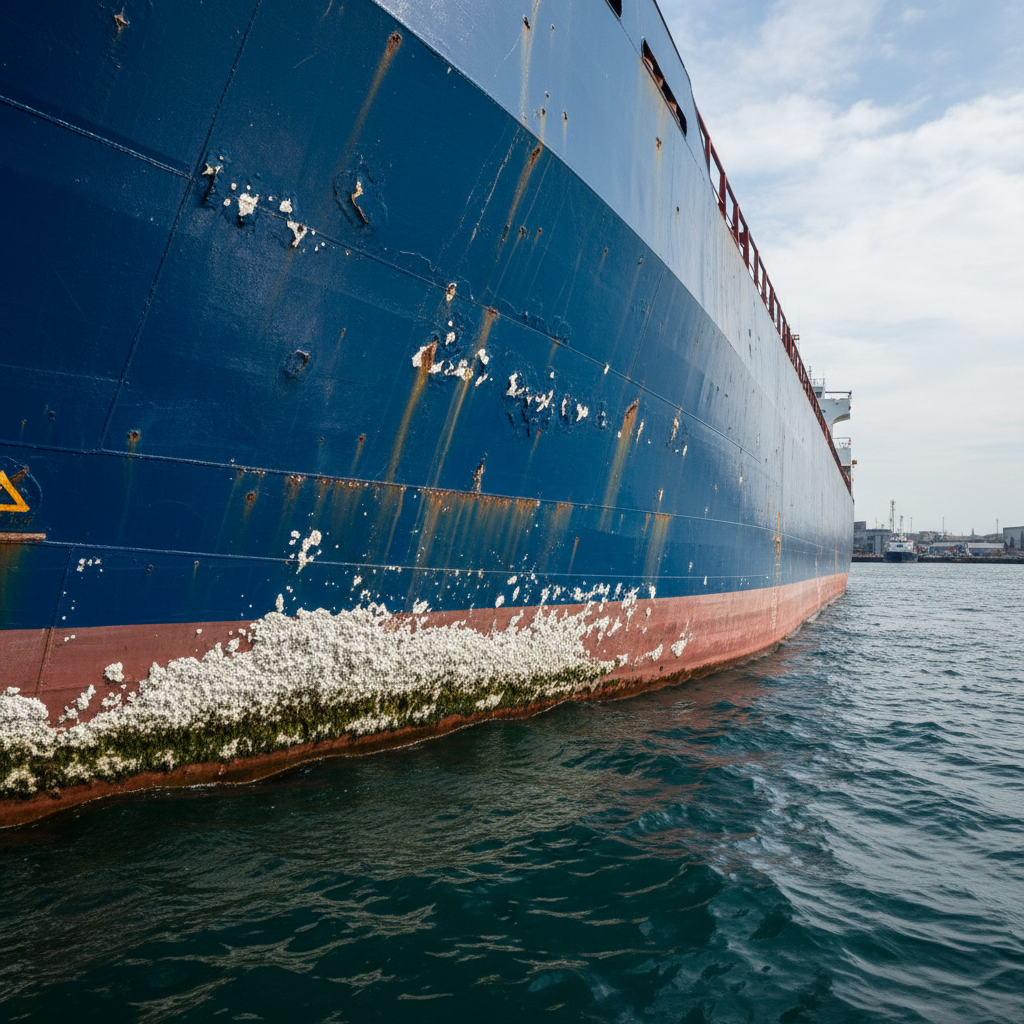
Delaying first full hull blast from year 8 to year 14 saves one $400,000–$700,000 dry-dock event per vessel.
Standard spec is a two-coat epoxy primer with antifouling topcoat. No impressed current system. Sacrificial zinc anodes replaced at each dry-dock. Typical first sign of pitting: 8–12 years in tropical or brackish water.
Impressed Current Cathodic Protection (ICCP) system to NACE SP0176, combined with 5-coat paint system including zinc-rich primer, epoxy intermediate, and antifouling topcoat. First dry-dock for hull blasting pushed to year 12–15.
At Stake
A 12-month earlier delivery at $18,000/day charter rate generates $6.5M in additional revenue before an overseas build is even launched.
Overseas yards quote 24–36 months with 6–12 month slippage common. Classification society attendance adds delay. Owner's representative travel costs add $80,000–$150,000. Warranty claims handled remotely with slow response.
Domestic yard with classification society resident surveyor on-site. Owner's representative has yard access daily at no surcharge. Milestone-based payment schedule. Warranty team response within 48 hours, anywhere in North American waters.
Ready to compare?
Send us your current vessel class and required specs. We'll return a point-by-point comparison within 48 hours.
You're not comparing
boats. You're comparing dollars.
Based on a 28–32m ASD escort tug, 6,000 operating hours per year, North American coastal waters. All figures audited against SNAME technical papers and operator-reported cost data.
* Figures are illustrative and based on published operator data. Actual costs vary by operating profile, crew complement, and geographic factors. Request a customised analysis for your vessel class and route.
Request a
Spec-for-Spec
Comparison
Tell us your current vessel class, required bollard pull, and operating environment. Within 48 hours, our naval architects will return a point-by-point comparison against your existing fleet or the broker resale options you're evaluating.
True Cost of Ownership:
Custom Build vs. Broker Resale
Not ready to talk?
Read the numbers first.
Our 24-page technical report walks through 20-year lifecycle cost modelling for six vessel classes, with audited cost data from North American port operators. Download free — no sales contact unless you request it.